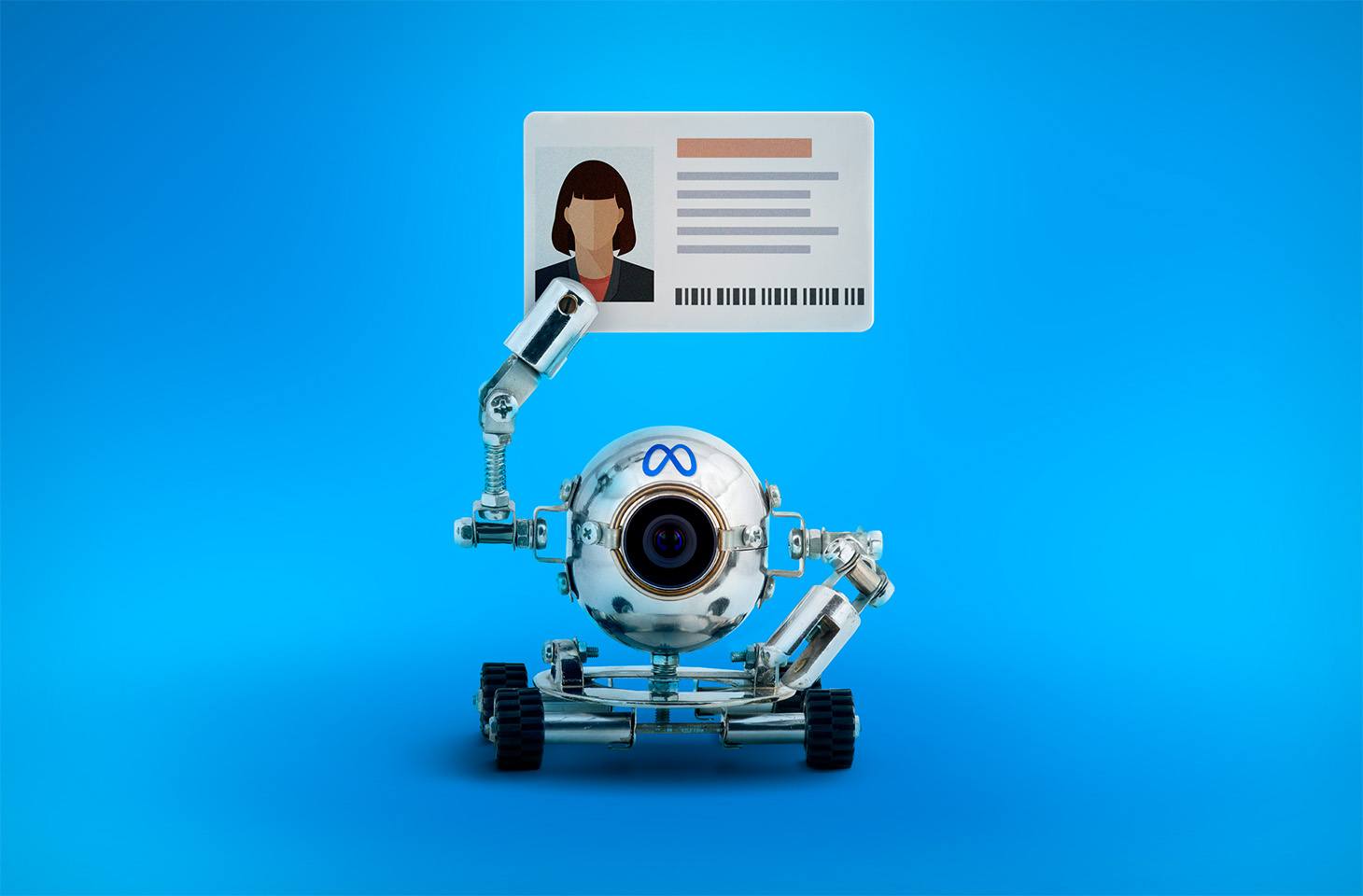
Unpacking the Viral Claim: Will Meta Really Read Your Private Messages?
A whirlwind of panic and confusion recently swept across social media platforms, fueled by a viral claim that Meta was poised to begin reading users’ private messages. The rumor, amplified through shares and impassioned posts, suggested that from December 16, 2025, every direct message (DM), photo, voice note, and private chat on Meta platforms would be fed into AI models for profit, unless users navigated a supposedly "confusing and desktop-only" opt-out process. Many users expressed outrage, questioning the sanctity of their digital communications and their trust in Meta. The central concern revolved around the idea that
meta private messages, intended for intimate exchanges, would suddenly become data points for AI training.
The claim painted a picture of widespread data harvesting, alleging that all private conversations – with friends, family, partners, and clients – along with messages sent *to* users, would be fair game for Meta's AI. This perceived breach of privacy caused significant alarm, with users urging each other to take immediate action to protect their personal data. But is there any truth to these assertions, or is it another case of misinformation spreading faster than facts?
The Official Verdict: What Meta's New Privacy Policy *Actually* Says
Amidst the swirling rumors, a crucial fact-check reveals a stark contrast to the viral narrative. The DFRAC team's investigation, corroborated by Meta's own statements, confirms that the widespread claim about Meta reading users' DMs is fundamentally misleading. While Meta is indeed updating its privacy policy, with changes taking effect on December 16, 2025, these updates have *nothing to do with accessing or using users’ private messages*.
Instead, the true focus of Meta's policy update is on how it handles data from *conversations with its generative AI features*, specifically Meta AI. This means that the changes are solely related to interactions users have with Meta's AI chatbot, not the personal DMs exchanged between users on platforms like Facebook Messenger, Instagram, or WhatsApp. The notion that
meta private messages are being compromised for AI training is incorrect.
On October 1, 2025, Meta announced these updates, clarifying that the primary change involves using data from conversations with its generative AI to personalize content and advertisement recommendations across its platforms. This strategy aims to enhance user experience by making the content and ads users see more relevant to their interests, as indicated through their interactions with the Meta AI assistant. Meta stated explicitly:
* We will begin personalizing content and ad recommendations on our platforms based on people’s conversations with our generative AI features.
* We will begin notifying people about this update via in-product notifications and emails on October 7, 2025, several weeks before it takes effect on December 16, 2025.
* With tools like Ad Preferences and other feed controls, you can adjust the content and ads you see at any time.
These statements confirm that the policy shift pertains to interactions with an AI chatbot, not to user-to-user private messages. Trushar Barot, Meta India’s Strategic Partner Development Head, further reinforced this clarification in discussions with media outlets, putting to rest concerns about direct message privacy. For a more detailed look at this debunked claim, you can read our related article:
Meta DMs & AI: Debunking the Viral Privacy Myth.
Distinguishing Between Meta AI Chats and Your Private DMs
It's vital to understand the distinction Meta makes between a "private message" (a direct conversation between two or more users) and an "AI chat" (an interaction with a generative AI tool provided by Meta). When you engage with Meta AI, you are essentially having a conversation with a sophisticated chatbot designed to provide information, generate content, or assist with various tasks. It’s an interaction with a service, much like using a search engine or a voice assistant.
Platforms are technically capable of distinguishing these types of communications. For example, in forum software like Discourse (used by Meta itself for developer communities), there are distinct classifications for regular posts versus private messages, often handled with different archetypes or properties. While initial private messages might be clearly identified, even replies within a private conversation are internally recognized as part of that private thread. This technical capability underscores that DMs are fundamentally different from conversations with an AI bot. The new policy specifically targets the latter, acknowledging that users' interactions with the AI are a form of feedback that can be used to refine and personalize other platform experiences.
What This Means for You: Personalization, Ads, and Control
So, if your
meta private messages are safe from this specific policy update, what exactly *will* change on December 16, 2025? The core impact will be a more tailored experience on Meta's platforms. If you chat with Meta AI about, say, travel destinations, you might subsequently see more personalized content about travel or relevant advertisements for flights, hotels, or tour packages on your Facebook, Instagram, or WhatsApp feeds.
This is a familiar model for how many digital services operate: your interactions with certain features are used to inform recommendations elsewhere. Meta states its intention to notify users about these changes through in-product notifications and emails well in advance (starting October 7, 2025). Importantly, Meta also reiterates that users retain significant control over their experience. Tools like "Ad Preferences" and other feed controls allow you to adjust the type of content and ads you see at any time. This means you can actively manage the personalization process, opting out of certain ad categories or adjusting your interests to curate your feed.
This approach aligns with the broader industry trend of leveraging user interactions to improve relevance and engagement, ultimately supporting the advertising model that funds these free services. While the "for profit" aspect of the viral claim is true in the sense that personalized ads generate revenue, the method described in the official policy update is transparent about its source data (AI chats) and offers user controls, a far cry from surreptitiously scanning private DMs. For further insights into Meta's privacy updates, check out:
Fact Check: Meta's 2025 Privacy Update & Your DMs.
Actionable Steps: Managing Your Privacy on Meta Platforms
While the recent scare regarding
meta private messages was largely unfounded, it serves as an excellent reminder to actively manage your digital privacy. Here are some actionable steps:
*
Review Your Privacy Settings: Regularly check the privacy settings on Facebook, Instagram, and WhatsApp. Understand who can see your posts, send you messages, and view your profile information.
*
Manage Ad Preferences: Familiarize yourself with Meta's Ad Preferences tools. You can see why you're seeing certain ads, remove interests that aren't relevant, and even hide specific advertisers. This gives you direct control over your ad experience.
*
Understand AI Interactions: Be mindful of what you share with any AI assistant, whether it's Meta AI or another service. While Meta states it uses these conversations for personalization, it’s good practice to avoid sharing highly sensitive personal information with chatbots unless absolutely necessary.
*
Stay Informed: Rely on official announcements and reputable fact-checking sources for information regarding policy changes. Social media rumors can spread quickly and often lack factual basis.
The Broader Landscape of Digital Privacy and Misinformation
The rapid spread of the Meta DM rumor highlights a significant challenge in the digital age: the interplay of complex privacy policies, public distrust, and the speed of misinformation. Many users understandably feel a sense of vulnerability regarding their online data, especially given the convoluted legal language often used in privacy policies. This fertile ground allows alarming rumors, even those based on misinterpretations, to take root and spread like wildfire.
It's crucial for users to cultivate a critical approach to information shared online. While vigilance regarding digital privacy is commendable and necessary, it must be paired with careful fact-checking. Platforms, despite their efforts, often struggle to clearly communicate policy changes in a way that is easily digestible and unambiguous for a global audience.
Furthermore, it's important to remember that while this specific policy update does *not* affect
meta private messages between users, no digital communication is ever 100% private in all circumstances. Private messages are still subject to community guidelines and legal requests, for instance, in cases of illegal activity. The fact that "private messages are not exempt from community guidelines" underscores this point. This means that while Meta isn't training its AI on your DMs, they are not entirely beyond the scope of platform moderation and legal frameworks.
Conclusion
The viral claim that Meta would start reading users' private messages for AI training from December 16, 2025, has been definitively debunked. Meta's upcoming privacy policy update specifically concerns how it uses data from conversations with its generative AI features, Meta AI, to personalize content and ad recommendations. Your
meta private messages – your DMs, photos, and voice notes exchanged with other users – are not included in this policy change. While privacy concerns in the digital realm are valid and necessary, it's essential to distinguish fact from fiction. Staying informed through official channels and engaging with fact-checking resources empowers users to navigate the complexities of online privacy with greater confidence and accuracy. By understanding what policies actually state and actively managing your privacy settings, you can maintain control over your digital experience.